Western capitals answer Iranian missile attacks, assaults on commercial shipping, terrorist plots and fresh atrocities against the Iranian people with outrage, condemnation and solemn promises of further sanctions. Former Scottish MEP Struan Stevenson writes that the diplomatic machinery then moves on while Iran's rulers continue.
The latest case is cyber sabotage aimed at French supermarkets, in which hundreds of refrigerators and freezers were remotely manipulated and enormous quantities of food were destroyed. France blames Iran's Islamic Revolutionary Guard Corps. Tehran denies responsibility. French Foreign Minister Jean-Noël Barrot expects further European sanctions to be approved on 14 December.
Stevenson asks why, after decades of restrictions described as crippling, the dictatorship still finances repression, missiles, drones, proxy militias and international terrorism. He points to the gap between announcing sanctions and enforcing them. In February 2026 the EU designated the IRGC a terrorist organisation, a step the United States and Canada had already taken. Britain has sanctioned the IRGC in its entirety and introduced additional national-security restrictions, but that British designation is legally different from proscription under terrorism legislation.
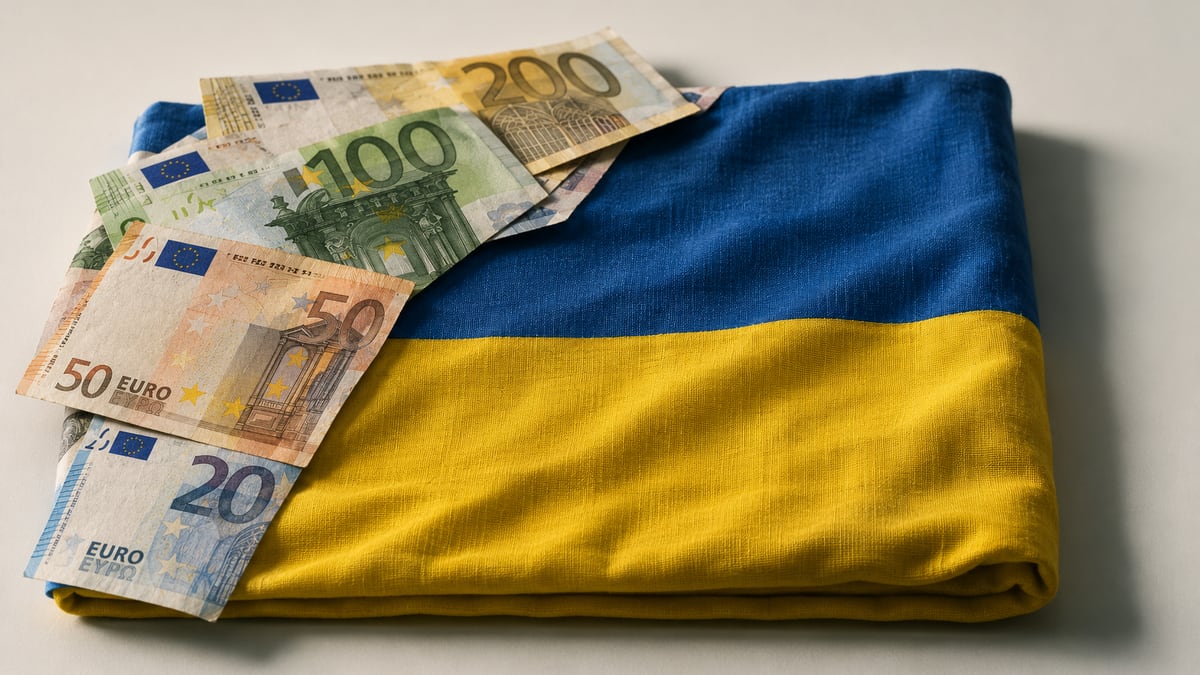
Freezing a terrorist organisation's assets and prohibiting financial support do not automatically bar every commercial transaction with the country where the organisation operates. According to the European Commission's own figures, trade in goods between the EU and Iran reached €3.7 billion in 2025. European exports accounted for approximately €3 billion, while imports from Iran totalled around €800 million. Trade in services added another €1.6 billion in 2024. Stevenson says these openly published Brussels figures show that substantial commercial relations have continued.
Some of that trade is lawful. Medicines, food and other humanitarian necessities should remain available to ordinary Iranians, and Stevenson says nobody should advocate starving a population already suffering under the dictatorship. The figures still raise questions about which European companies trade with Iran, who owns their Iranian counterparts, and how thoroughly transactions are checked for links to the IRGC.
The Revolutionary Guards extend beyond the military into construction, energy, transport, telecommunications and financial networks. Through subsidiaries, intermediaries and opaque ownership, they have built a structure that makes ultimate beneficiaries hard to identify. A ban on financing the IRGC is only as effective as the ability to establish who controls the company receiving the money.
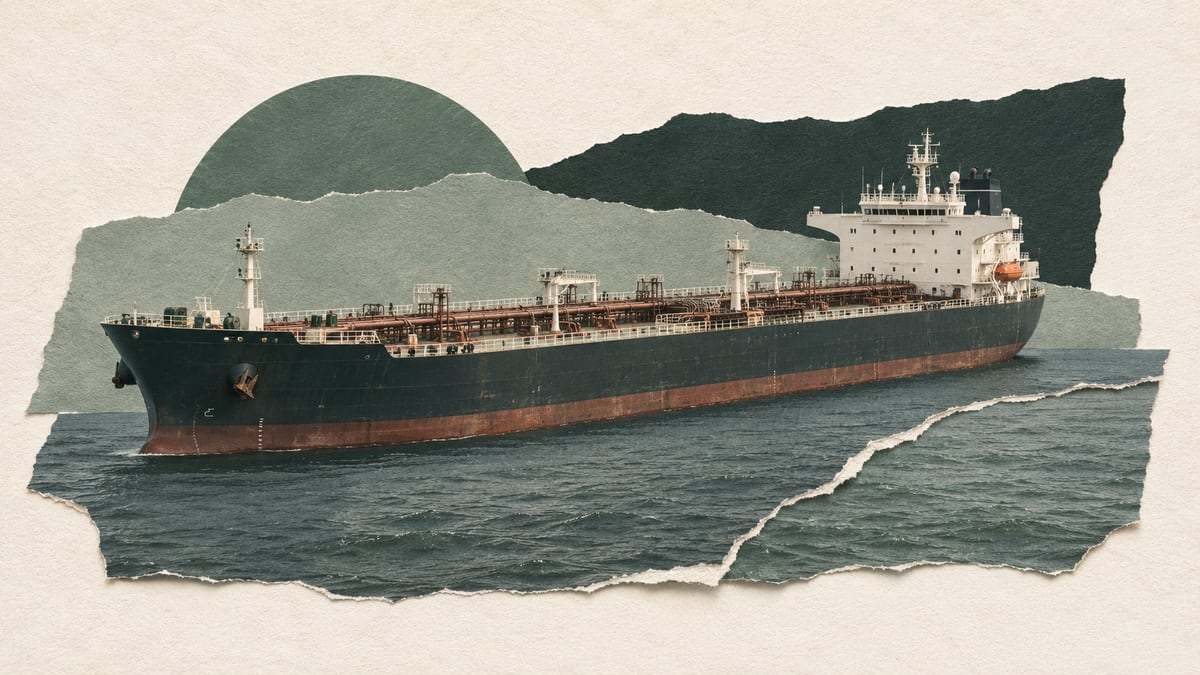
Oil is a greater challenge. Iran has continued to find customers despite extensive American restrictions. China remains the principal destination for Iranian crude, much of it moving through intermediaries, discounted sales and vessels whose ownership and operating arrangements can obscure the trade. The shadow fleet, with opaque ownership, ship-to-ship transfers and manipulation of shipping information, shows how sanctions can be circumvented when enforcement is inconsistent. Every shipment that evades restrictions can provide more revenue to the Iranian state. Because money is fungible, that income can ease financial pressure elsewhere, including on the security apparatus responsible for domestic repression and regional aggression. Stevenson writes that Western governments understand this, while the machinery to expose beneficial ownership, investigate intermediaries, restrict illicit shipping and penalise evaders remains fragmented.
Sanctions have damaged Iran's economy. Inflation, currency depreciation, restricted investment and financial isolation have caused enormous hardship, but the burden often falls most heavily on ordinary citizens, while politically connected elites keep privileged access to foreign currency, smuggling networks and protected commercial opportunities. A policy that impoverishes the population while the ruling establishment preserves its wealth, he argues, is no advertisement for Western strategy.
The regime's methods were already familiar: armed proxies, intimidation, political infiltration and exploitation of international hesitation. What has changed is geographical reach. According to the French government's attribution, European supermarkets are now apparently legitimate targets in Tehran's campaign of intimidation. Stevenson says the response has to go beyond adding another collection of names to a sanctions register.
He argues that Europe should demand rigorous disclosure of commercial relationships with Iranian state enterprises, investigate suspected IRGC ownership networks and coordinate financial enforcement with Britain, the United States and Canada. Governments should target the intermediaries facilitating illicit oil exports and publish evidence of enforcement, including frozen assets, intercepted transactions and penalties imposed. Humanitarian exemptions must remain protected. The objective should be to deprive the dictatorship and its security apparatus of resources. Above all, he says, Western governments must abandon the illusion that sanctions announcements constitute a foreign policy.
Iran's rulers have spent decades learning how to survive economic pressure, exploiting divisions between Western governments, commercial self-interest and politicians' reluctance to confront the consequences of their own declarations. Stevenson writes that Iranians who have repeatedly risked their lives demanding freedom deserve something better than another diplomatic press release. If the IRGC is a terrorist organisation, Western policy must reflect that in banking, shipping, procurement and international commerce. Otherwise the next Iranian outrage will produce the next promise of sanctions while the financial networks continue. The question, he concludes, is whether the West has the political courage to enforce the sanctions it already possesses.
Struan Stevenson was a member of the European Parliament representing Scotland from 1999 to 2014, president of the Parliament's Delegation for Relations with Iraq from 2009 to 2014, and chairman of the Friends of a Free Iran Intergroup from 2004 to 2014. He is an author and international lecturer on the Middle East.