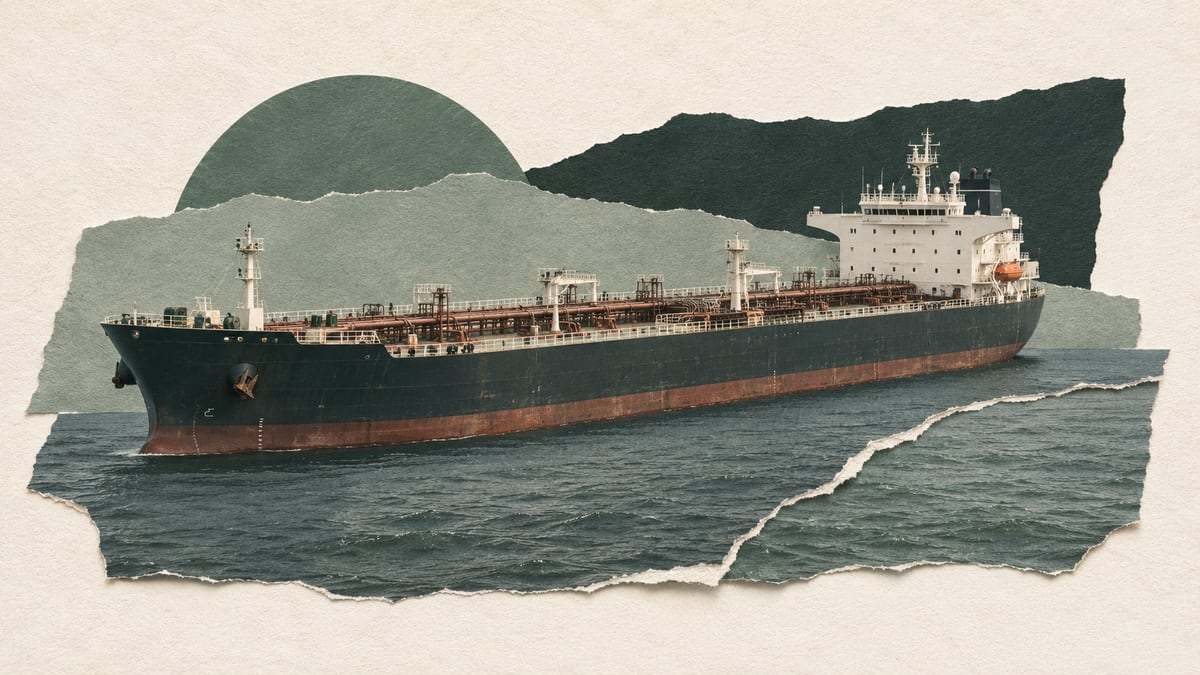
On Nov. 12, as European leaders gathered in Dublin, London designated Slavneft and Rosneft’s Arctic Vostok Oil project, alongside shipping and other energy interests. The government says Britain is now the first country to have directly sanctioned all 10 of Russia’s largest oil producers.
Slavneft is jointly owned by Rosneft and Gazprom Neft, both already subject to British restrictions. Under UK rules, companies owned or controlled by designated entities can already be caught by asset freezes even if their own names are absent from the list. The decision puts banks, insurers and oil traders on clearer notice, because sanctions work through the practical decisions of those intermediaries.
In a Kyiv Post opinion piece, Stepan Stepanenko writes that the latest sanctions will not by themselves bring Russia to its knees. He argues they state that talks about peace do not mean open season on Russian oil, and that Ukraine is not being abandoned while others bargain over its future. Kyiv Post says the views are the author’s and do not necessarily reflect the newspaper’s position.
The Centre for Research on Energy and Clean Air calculates that 60 percent of Russia’s seaborne oil in October moved on already sanctioned shadow-fleet tankers. Stepanenko says this is not proof that sanctions are useless, but proof that Russia has built ways around them and that designation without enforcement is insufficient. Researchers estimate that a properly enforced $30 crude oil price cap, alongside tighter product caps, could have deprived Russia of €3.4 billion in seaborne oil revenues in October alone. The same researchers estimate Russia earned an average €754 million a day from fossil-fuel exports in October, 14 percent more than in September.
The new measures also target the shipping and trading networks keeping Russian oil moving. Past British sanctions had already designated hundreds of shadow-fleet vessels. Stepanenko writes that more must be done as Russia adapts, and that sanctions must follow the transaction from oilfield to tanker, insurance certificate, payment and ultimate beneficiary.
He says much of Russia’s oil revenue now depends on buyers beyond London’s reach. China and India remain enormous buyers of Russian energy, despite India’s Commonwealth membership and close economic relationship with Britain. European states continue purchasing Russian gas, while Washington has authorized certain Russian-origin diesel transactions, even though no confirmed deliveries had reached American buyers by Nov. 12. Britain’s temporary license for certain diesel and jet-fuel imports refined abroad from Russian crude remains in force until January. Stepanenko argues that credibility requires progressively closing such gaps, and that Britain has sanctions exceptions of its own.
He writes that President Zelensky cannot be expected to accept an agreement under which Russia enjoys economic relief while Ukraine receives only promises, and that a ceasefire rewarding coercion without enforceable security guarantees would invite another crisis, which may be much closer to home for London. He says Britain is tightening restrictions at the moment when a premature relaxation would make negotiations less credible.
Stepanenko warns that sanctions sending oil prices soaring could enrich the country they are intended to punish. He says the West cannot promise that every barrel of Russian oil can be removed overnight, because energy shocks will increase global prices, harm Ukraine’s supporters and sometimes raise revenue on Russia’s remaining sales. He cites Washington’s blame over fuel prices after the Iran war as an illustration of the scapegoating Ukraine can face, and argues for coordinated restrictions on services, tighter enforcement, lower net proceeds to Moscow and maintained alternative supplies.
He says ministers must publish evidence of how much Russian revenue the measures deny Moscow, pursue intermediaries who enable evasion, and ensure the pressure does not disappear when negotiations become politically convenient. He concludes that the announcement does not guarantee sufficient leverage for Ukraine, but is a reminder that negotiations need not mean concessions and that the path to peace should not be paved with renewed profits for the aggressor.